

The Paradox of the Modern Traveler
In the world of luxury travel, we are often conditioned to equate value with volume. We measure the success of a journey by the number of Michelin-starred reservations secured, the historical landmarks checked off a list, and the sheer distance covered in a week. Yet, there is a growing realization among the discerning that this frantic pace often acts as a barrier rather than a bridge. We move so quickly through a landscape that we never actually inhabit it. We see the world, but we do not feel it.
True cultural immersion is not an achievement to be unlocked through a high-priced tour or a VIP pass. It is a slow-blooming flower that only opens when the noise of our own schedules finally subsides. At Private Play Accord, we believe that the most profound travel experiences aren’t found in the frantic pursuit of the ‘new,’ but in the quiet surrender to the ‘now.’
Beyond the Checklist: The Illusion of Engagement
We often mistake observation for immersion. We stand in front of a 15th-century fresco or walk through a bustling Moroccan souk, capturing images and reading plaques, yet our internal rhythm remains unchanged. We are still operating on the frequency of the boardroom or the city—fast, efficient, and goal-oriented. This ‘fast-track’ culture creates a glass wall between the traveler and the destination.
When we treat a culture as a series of sights to be consumed, we remain outsiders. Real immersion happens when the boundary between ‘us’ and ‘them’ begins to blur, which only happens when we stop moving long enough for the local atmosphere to settle upon us. It requires a shift from being a consumer of experiences to being a participant in a place’s natural tempo.
The Power of the Unscheduled Hour
Consider the difference between a guided walking tour of a Roman neighborhood and three hours spent sitting at the same corner café without a book or a phone. In the first instance, you are fed information; in the second, you are fed life. You begin to notice the recurring characters—the baker who opens his shop at a specific time, the elderly neighbors who share the same bench every afternoon, the specific way the light hits the cobblestones as the sun dips.
These small, seemingly mundane details are the fabric of culture. They cannot be hurried. They cannot be scheduled. They can only be observed by those who have mastered the art of stillness.
How to Cultivate Cultural Resonance
If we want to find a deeper sense of legacy and connection during our travels, we must consciously design our itineraries to include ’empty space.’ This isn’t just about relaxation; it is about creating the capacity for resonance. Here are a few ways to transition from a tourist to a soulful observer:
- Return to the same spot: Visit the same park, café, or bookshop three days in a row. By the third day, you are no longer a stranger; you are part of the scenery, and the local world begins to open up to you.
- Listen more than you ask: Instead of seeking facts, seek the ‘vibe.’ Listen to the cadence of the language, the sounds of the street, and the silence of the historic estates.
- Walk without a destination: Allow your curiosity to lead you. When you aren’t trying to get somewhere, you are finally free to be exactly where you are.
- Embrace the language of discretion: As we have explored in our discussions on ‘Silent Luxury,’ there is a profound power in not needing to broadcast every moment. Keeping a moment for yourself makes it more visceral.
The Architecture of Presence
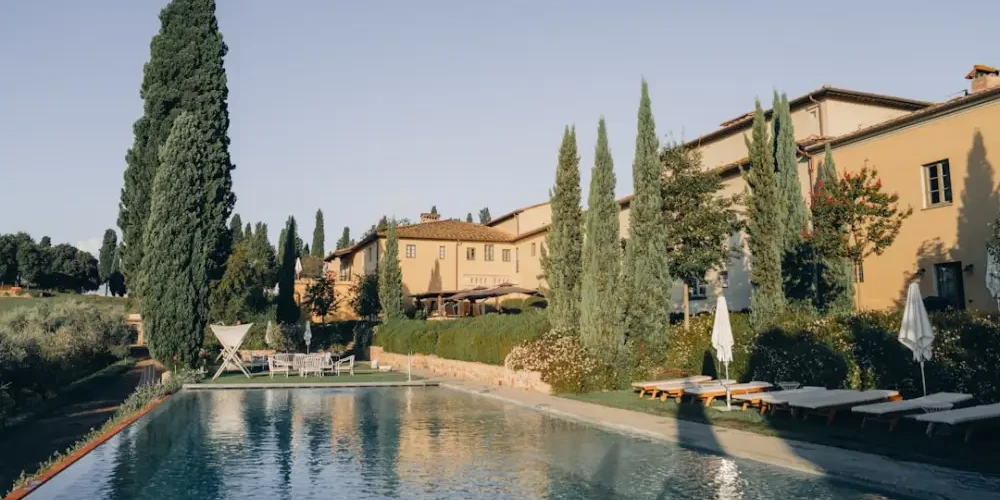
Our recent explorations into historic estates and executive retreats have taught us that the most meaningful environments are those that demand presence. A centuries-old manor doesn’t just offer luxury; it offers a weight of time that forces you to slow down. It whispers of generations past, reminding us that we are merely temporary guests in a much larger story.
When we slow down, we begin to understand the ‘why’ behind a culture’s traditions. We see that the long afternoon siesta isn’t just a break from work; it’s a prioritization of family and well-being over productivity. We realize that the elaborate tea ceremony isn’t just about the drink; it’s a meditation on hospitality and grace. These insights are the true souvenirs of travel, but they are only gifted to those who wait.
Finding Your ‘Accord’ with the World
The name ‘Private Play Accord’ reflects a harmony—a tuning of the self to the world. Like a musical instrument, we cannot find the right pitch if we are constantly being struck by new stimuli. We need the quiet to find our resonance. In that stillness, the culture of a place doesn’t just surround us; it enters us.
We find that ‘real’ cultural immersion is less about what we do and more about who we become in the silence. It is the realization that the world is much older, much deeper, and much more beautiful than our busy schedules ever allowed us to see. By slowing down, we don’t just see the world—we finally belong to it, if only for a moment.
The Lasting Legacy of the Slow Path
Ultimately, the goal of luxury travel should be transformation. We should return home not just rested, but changed. This change is the result of presence. When we allow ourselves to be fully immersed in another way of life, our own perspectives shift. We bring back a piece of that stillness, a fragment of that local wisdom, and a deeper appreciation for the legacy we are leaving behind.
Next time you find yourself planning a journey, ask yourself: Am I going there to see it, or am I going there to be there? The answer will define the depth of your discovery.
Related Posts

Why I believe the most effective executive retreats should actually prioritize stillness over strategy
Explore why the most effective…
How to design a travel itinerary that prioritizes presence over a busy schedule
Stop treating your luxury vacation like…
How to design a travel itinerary that actually leaves room for stillness
Discover how to plan a luxury travel…