

The High-Octane Fallacy of the Traditional Retreat
For decades, the standard blueprint for the executive retreat has been one of relentless activity. Boards of directors and C-suite teams gather in luxury boardrooms, surrounded by whiteboards, post-it notes, and a grueling schedule of breakout sessions designed to solve every organizational woe in a forty-eight-hour window. The prevailing logic suggests that if you put enough high-powered minds in a room and apply enough pressure, innovation will inevitably follow.
However, a shift is occurring within the upper echelons of modern leisure and leadership. At Private Play Accord, we are observing a growing realization among the global elite: the most profound strategic breakthroughs rarely happen during a PowerPoint presentation. Instead, they occur in the spaces between the notes—in the moments of stillness that a traditional corporate itinerary usually seeks to eliminate.
The Cognitive Cost of Constant Strategy
The modern executive exists in a state of perpetual cognitive overload. Between global market fluctuations and the digital noise of an interconnected world, the brain’s ‘executive function’ is often overtaxed. When a retreat simply replicates this high-pressure environment in a different zip code, it fails to provide the neurological reset required for visionary thinking.
Psychologically, constant strategic pivoting leads to decision fatigue. When we prioritize ‘strategy’—defined here as the active, analytical processing of data and tactics—we are operating within the prefrontal cortex. While essential, this part of the brain is not where original, disruptive ideas are born. True innovation requires access to the ‘Default Mode Network’ (DMN), a brain state associated with daydreaming, self-reflection, and making non-linear connections. The DMN only activates when the mind is at rest, away from the demands of a structured agenda.
Why Stillness is the Ultimate Strategic Tool
Choosing stillness over strategy is not an act of passivity; it is a sophisticated leadership tactic. By intentionally slowing down the pace of a retreat, leaders allow for ‘incubation’—the period where the subconscious mind works on complex problems without the interference of immediate deadlines. This is why the most successful leaders often report their best ideas coming during a solo walk through a historic estate or while watching the sunrise in a silent landscape.
The Architecture of an Intentional Retreat
To redefine the executive retreat, we must look at the environment through the lens of intentional living. It is no longer enough to provide a five-star suite; the environment must facilitate a deep sense of presence. This involves moving away from the ‘status’ of busy-ness and toward the ‘discretion’ of quiet luxury.
- Unstructured Time: Replacing 2-hour workshops with 4-hour windows of silence or solo exploration.
- Curated Environments: Selecting locations that offer a sense of legacy and permanence, such as historic estates, which naturally encourage a longer-term perspective.
- Digital Minimalism: Implementing a ‘tech-tranquility’ protocol where technology is used only to enhance the experience, not to tether the leader to the office.
- Sensory Engagement: Prioritizing experiences that ground the body—farm-to-table dining, landscape immersion, and tactile craftsmanship.
The Paradox of Productivity
It sounds counterintuitive to suggest that an organization might see a better ROI from a retreat where ‘nothing’ happened than one where a five-year plan was drafted. Yet, the evidence is mounting. A team that returns from a retreat feeling rested, aligned, and mentally clear is far more effective than a team that returns with a binder full of tasks but a depleted spirit.
In the realm of luxury travel, we often speak about ‘Silent Luxury.’ This concept extends perfectly into leadership. Discretion and stillness are the new markers of power. A leader who can afford to be silent is a leader who is in control. By stripping away the noise of traditional corporate retreats, we allow for a deeper sense of legacy to emerge. We stop asking ‘how do we grow next quarter?’ and start asking ‘what is our ultimate purpose?’
Shifting the Focus: From KPIs to Presence
When we prioritize stillness, the nature of the conversation changes. Without a formal moderator or a ticking clock, the dialogue between executives becomes more organic and vulnerable. It shifts from performance-based reporting to values-based alignment. This is where the true ‘accord’ is found—not in the agreement on a budget, but in the shared understanding of a mission.
- Day One: Decompression. Total silence and physical rest to shed the ‘city’ energy.
- Day Two: Observation. Engaging with the environment, whether through nature or architecture, to stimulate the senses.
- Day Three: Emergence. Brief, informal gatherings where insights are shared without the pressure of formalizing them into a ‘plan.’
Conclusion: The New Standard of Leisure
The future of the executive retreat lies in the intersection of intelligent living and intentional stillness. As we move away from the frantic pace of the early 21st century, the most effective leaders will be those who recognize that their most valuable asset is not their ability to multitask, but their ability to focus.
At Private Play Accord, we believe that true leisure is not an escape from reality, but a deeper engagement with it. By choosing stillness over strategy, leaders don’t just find a temporary reprieve; they find the clarity necessary to redefine their world. The most powerful move you can make in your next retreat is to simply stop, listen, and let the stillness do the work.
Related Posts
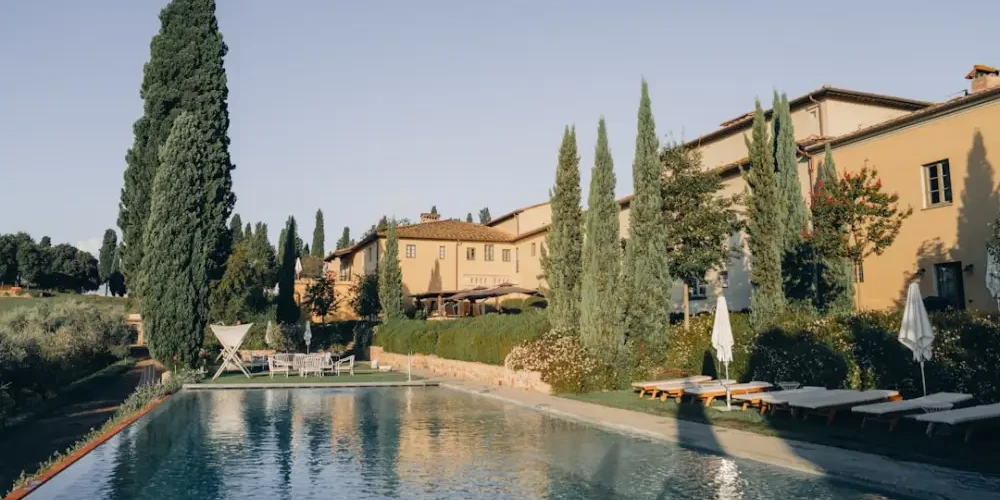
How to design a travel itinerary that prioritizes presence over a busy schedule
Stop treating your luxury vacation like…
How to design a travel itinerary that actually leaves room for stillness
Discover how to plan a luxury travel…
Silent Luxury: Why Discretion is the New Modern Status Symbol
Discover how silent luxury is…